Mental and Emotional Sexual Health

Dr. Anna Yoder • December 22, 2025

Mental & Emotional Sexual Health: How Thoughts, Beliefs, and Behaviors Influence Sexual Function

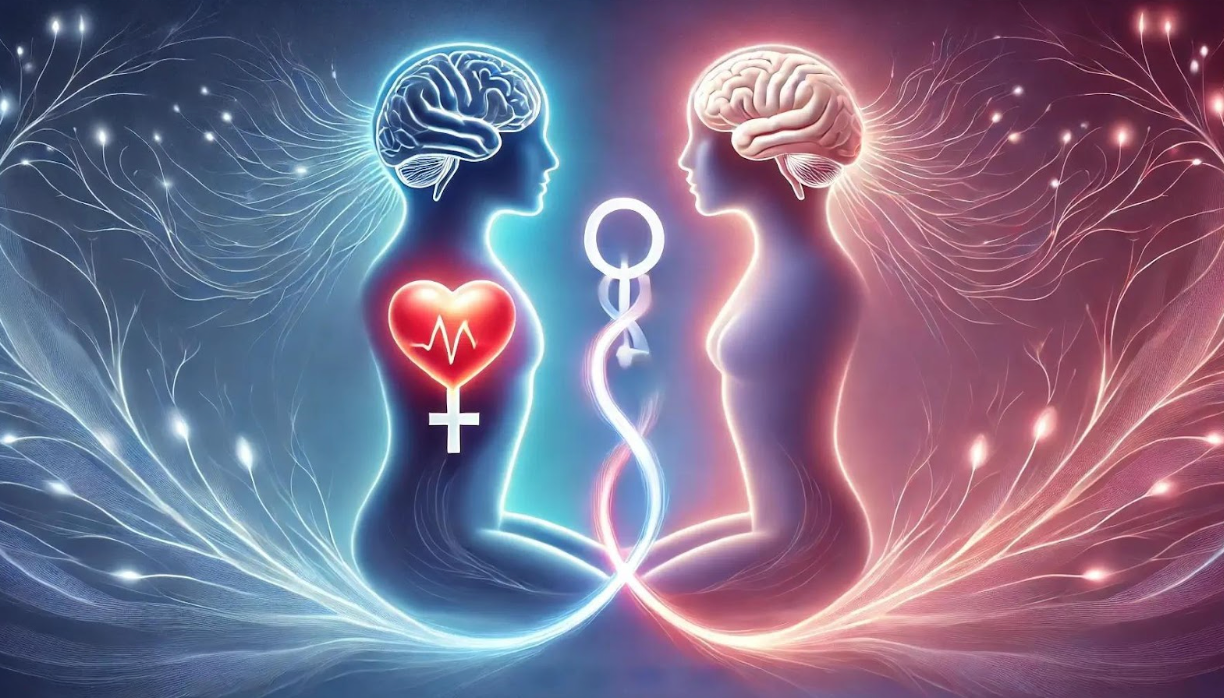
Sexual health is more than a physical process emotional well being, mindset, and psychological safety play a major role in sexual desire, arousal, and satisfaction. Many cases of sexual dysfunction have roots in stress, trauma, negative beliefs, relational conflict, or emotional fatigue. This blog focuses on how mental and emotional factors impact sexual function in both men and women, and what types of therapy can help when challenges persist.


How Mental and Emotional Factors Affect Sexual Function


Men


Common emotional and psychological factors that affect male sexual function include:

  • Performance anxiety
    Fear of “not performing” can suppress arousal and interfere with erections.
  • Stress and chronic worry
    High cortisol levels disrupt testosterone production and libido.
  • Depression or low self-esteem
    Reduces desire and interest in intimacy.
  • Past trauma
    Negative sexual experiences or abuse can cause avoidance, fear, or emotional disconnection.
  • Addictions
  • Porn addiction: can desensitize arousal pathways.
  • Alcohol or substance use: weakens libido and erectile function.
  • Relationship conflict
    Emotional distance or unresolved tension reduces desire.

Women


Female sexual function is deeply connected to emotional safety, trust, and mental well-being. Influential factors include:

  • Stress and mental load
    Excess responsibilities reduce desire and arousal.
  • Anxiety and overthinking
    Prevents relaxation and physical readiness for intimacy.
  • Body image concerns
    Shame or insecurity lowers confidence and desire.
  • History of trauma or abuse
    Can lead to pain, avoidance, or emotional withdrawal.
  • Relationship dissatisfaction
    Lack of trust, connection, or communication reduces libido.
  • Depression, grief, or emotional burnout
    Directly decrease interest in sexual activity.

Unhealthy Thought Patterns & Beliefs That Impact Sexual Function


Both Men and Women

  • Believing sex is a “performance” rather than a shared experience
  • Fear of judgment or rejection
  • Shame associated with sexuality
  • Pressure to meet unrealistic expectations
  • Fear of vulnerability
  • Negative self-talk (“I’m not attractive enough,” “I’m not good at this”)
  • Avoidance behaviors due to past trauma


Unhealthy beliefs often create a cycle: anxiety → reduced performance → more anxiety.


Healthy Mindsets for a Positive Sexual Relationship

Developing healthier mental and emotional frameworks can significantly improve sexual functioning. Key mindsets include:


1. Sexuality as a Shared Experience, Not a Performance

Focus on connection, pleasure, and intimacy instead of “success.”


2. Open Communication

Expressing needs, preferences, fears, and boundaries builds trust.


3. Emotional Safety & Trust

Feeling safe with your partner is essential for relaxation and arousal.


4. Patience & Compassion

Understanding that libido varies with stress, hormones, and life stage.


5. Body Acceptance

Appreciating your body strengthens sexual confidence and comfort.


6. Mindfulness

Being present during intimacy reduces anxiety and enhances physical sensation.


7. Prioritizing Connection

Acts of affection, emotional bonding, and shared time improve sexual health.


Types of Counseling & Therapy for Sexual Dysfunction

When sexual dysfunction persists despite lifestyle or medical interventions, therapy can provide meaningful improvement.


1. Sex Therapy

  • Helps identify emotional, psychological, or relational barriers
  • Provides strategies for communication, intimacy, and sexual confidence
  • Effective for low libido, pain, performance anxiety, trauma, and relationship issues

2. Cognitive Behavioral Therapy (CBT)

  • Reframes unhealthy thoughts and beliefs
  • Addresses anxiety, depression, and self-esteem issues
  • Teaches coping strategies to reduce performance-related stress

3. Trauma-Informed Therapy

  • For individuals with past abuse, negative experiences, or sexual trauma
  • Helps rebuild safety, trust, and bodily autonomy


4. Couples Counseling or Relationship Therapy

  • Improves communication
  • Resolves emotional conflict
  • Strengthens emotional intimacy, which enhances sexual intimacy


5. Mindfulness-Based Therapy

  • Reduces overthinking and anxiety
  • Helps individuals reconnect with their bodies


6. Addiction Counseling

  • Especially for pornography or substance-related sexual dysfunction
  • Helps restore natural arousal pathways and intimacy
Conclusion

Mental and emotional health play a vital role in sexual function. Stress, trauma, negative beliefs, and relational conflict can all disrupt desire, arousal, and overall satisfaction. By building healthier mindsets, improving communication, and seeking therapy when needed, many individuals and couples can experience meaningful improvement in their sexual well-being.


Telehealth therapy and counseling options make it easier than ever to address these emotional and psychological factors in a private, supportive setting.


Couple smiling and touching in bed. Woman's hand on man's neck, man's hand on woman's arm.
By Dr. Anna Yoder December 15, 2025
Explore effective alternative medications for sexual dysfunction, including natural therapies, hormone support, and innovative treatments that help improve performance and restore confidence.
Infographic: Understanding sexual health, featuring physical factors, age-related changes, causes of dysfunction, testing, and treatment options.
By Dr. Anna Yoder December 11, 2025
Improve your sexual health with a clear understanding of the physical factors that influence performance, desire, and well-being. Learn how hormones, circulation, fitness, and overall wellness impact sexual function.
By Dr. Anna Yoder December 1, 2025
Discover how Faith-Based GLP-1 Healing blends science and faith to restore health, balance emotions, and renew your spirit.
By Dr. Anna Yoder November 24, 2025
Obesity is not only a physical condition it deeply affects how we see ourselves and how we live each day. Many people silently carry the emotional burden of extra weight, often hiding their pain behind smiles. They may feel self-conscious , avoid social settings, or pull back from relationships. The truth is, being overweight often separates us from our authentic selves, our confidence, and even our life purpose.  In my practice, I have seen how GLP-1 Emotional Health programs transform patients who once felt trapped by shame and exhaustion. These therapies—powered by GLP-1 receptor agonists such as Semaglutide , Tirzepatide , and Liraglutide —don’t just change the body; they renew the mind. When you address both emotional pain and biology together, true healing begins.
By Dr. Anna Yoder November 17, 2025
Discover how GLP-1 Activation supports weight loss, boosts metabolism, and helps balance hunger naturally for lasting wellness.
By Dr. Anna Yoder November 10, 2025
Discover how GLP-1 medications support weight loss, balance blood sugar, and improve overall metabolic health in 2025.
White stones with the words Faith, Hope, Happiness, and Harmony printed on them.
By Dr. Anna Yoder October 27, 2025
Understanding PCOS Beyond the Physical Understanding the PCOS spiritual meaning goes beyond medical terms and symptoms. Polycystic Ovary Syndrome, often called a hormonal disorder, affects women in their reproductive years with signs such as irregular menstrual cycles, excess androgen levels, and sometimes polycystic ovaries. While doctors focus on the body, many women discover that PCOS is also tied to the heart and spirit. The journey reveals how the mind-body-soul connection plays a role in both pain and healing. For some, the struggle includes physical challenges like insulin resistance and emotional struggles such as fear or grief. Yet, when viewed through faith, PCOS becomes a path toward deeper hope, courage, and spiritual renewal. Finding Strength in Faith During the PCOS Journey. Faith becomes a light when women feel lost. Many find comfort in God’s promise of spiritual truth and healing. When symptoms such as blood sugar spikes, excess body weight, or chronic low-grade inflammation bring discouragement, faith reminds you that God sees beyond the pain. Believing in God’s love opens space for gaining a deeper sense of connection with Him. Through prayer and scripture, you can fight the limiting beliefs that say you are broken. The subconscious mind can hold fear, but faith allows you to release it and build self-confidence and self-worth . What the Bible Teaches About Hope and Healing. The Bible teaches that God is close to the brokenhearted (Psalm 34:18). Stories remind us that suffering is not the end but a step toward His greater plan. Verses speak of illness as an opportunity to receive God’s healing (Psalm 103:3) and suffering can help us grow and find the love of God (Romans 5:3-5). We often find we can grow as individuals, developing virtues like patience, trust, and courage. From creation to redemption, scripture shows us that God cares for both body and soul. His design includes the body as a reflection of the soul . When we walk in faith, we allow His innate healing power to work alongside naturopathic treatments and natural therapies and medical care .
A doctor shows a chart to a young woman on a couch. The woman looks sad, holding her head. Telehealth logo.
By Dr. Anna Yoder October 20, 2025
Living with PCOS is often harder than most people realize and presents unique challenges that affect mental health and wellbeing. Polycystic Ovary Syndrome not only brings irregular cycles, hormonal imbalance, or fertility concerns, but it also deeply touches a woman’s thoughts, confidence, and relationships. Many women describe feeling overwhelmed, anxious, or uncertain about the future.  PCOS is more than a medical condition; it is a journey that shapes daily emotions and long-term dreams. From PCOS and self-esteem struggles to coping with mood swings in PCOS , the impact is real. This article explores emotional challenges, relationship challenges with PCOS , and ways to heal through PCOS lifestyle changes .
Doctor holding a model of a female reproductive system. The doctor points with a stick at the anatomy.
October 13, 2025
PCOS affects women’s health and fertility, causing irregular periods, hormonal imbalances, and long-term risks. Early care, medical treatments, and natural strategies can help manage symptoms and support fertility.
What is PCOS?
By Dr. Anna Yoder October 6, 2025
What is PCOS? It’s a condition that affects women’s hormones, causes symptoms like irregular periods, and can impact fertility.