PCOS and Mental Health: Understanding the Emotional Journey.
Living with PCOS is often harder than most people realize and presents unique challenges that affect mental health and wellbeing. Polycystic Ovary Syndrome not only brings irregular cycles, hormonal imbalance, or fertility concerns, but it also deeply touches a woman’s thoughts, confidence, and relationships. Many women describe feeling overwhelmed, anxious, or uncertain about the future.
PCOS is more than a medical condition; it is a journey that shapes daily emotions and long-term dreams. From PCOS and self-esteem struggles to coping with mood swings in PCOS, the impact is real. This article explores emotional challenges, relationship challenges with PCOS, and ways to heal through PCOS lifestyle changes.
Why PCOS Affects More Than Just the Body
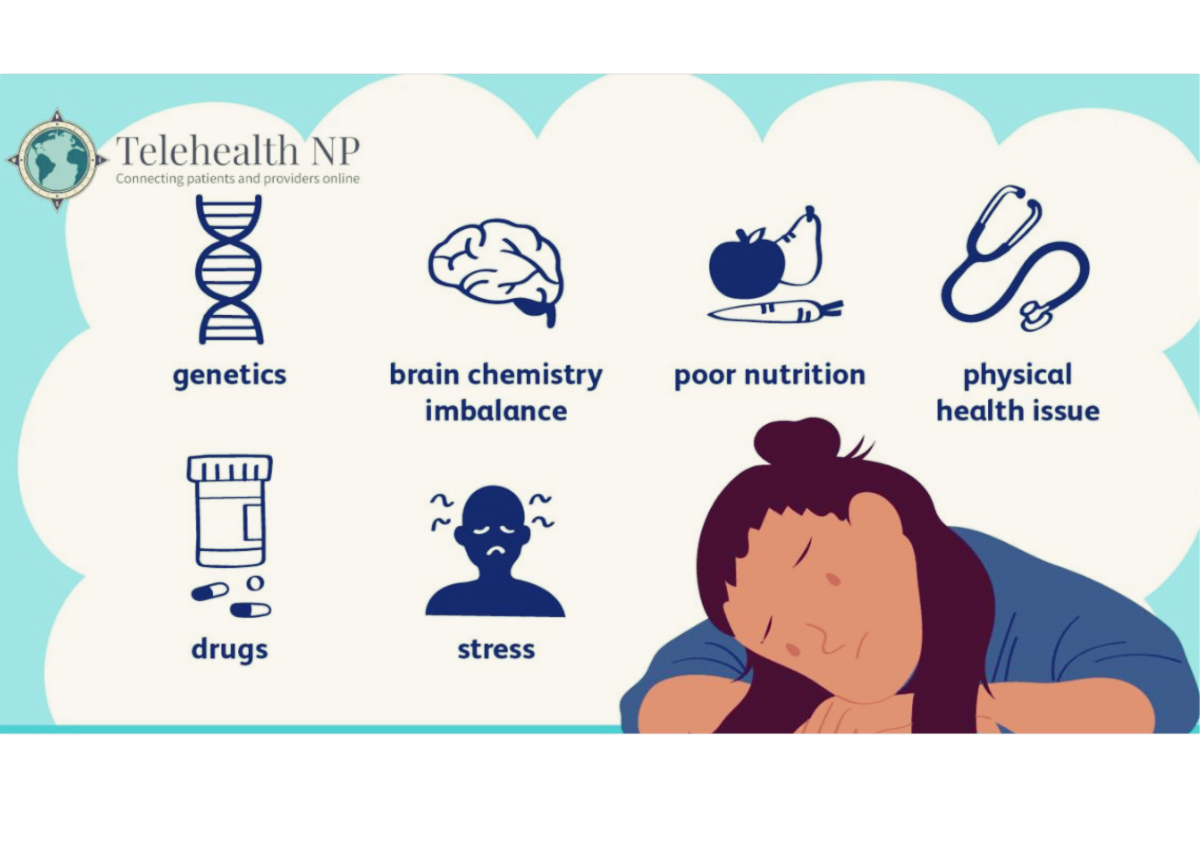
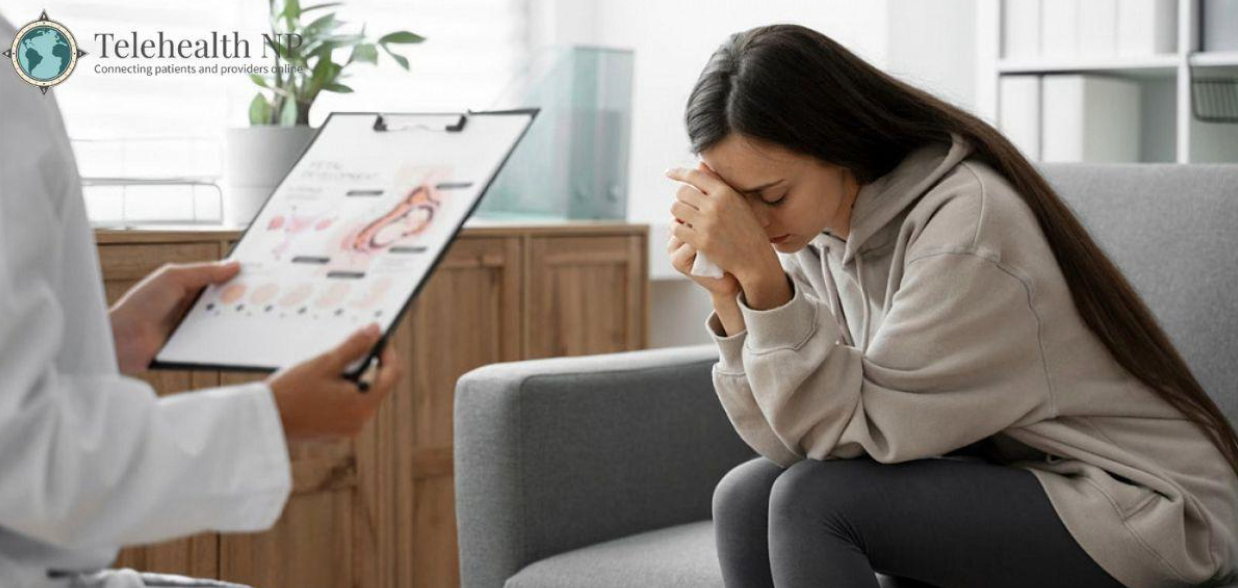
PCOS is often described as a hormonal condition, but its impact goes beyond that. Women may face irregular periods, acne, unwanted hair growth, insulin resistance, and weight gain. These symptoms can also affect mental health, leading to anxiety, mood swings, or even depression. Unfortunately, doctors sometimes focus only on the physical side and overlook the emotional challenges.
PCOS can lower a woman’s quality of life. Many women report that their self-esteem and confidence suffer when symptoms are hard to manage. When these struggles are not taken seriously, progress in treatment slows, and feelings of frustration and isolation can grow.
Emotional Challenges Women Face with PCOS.
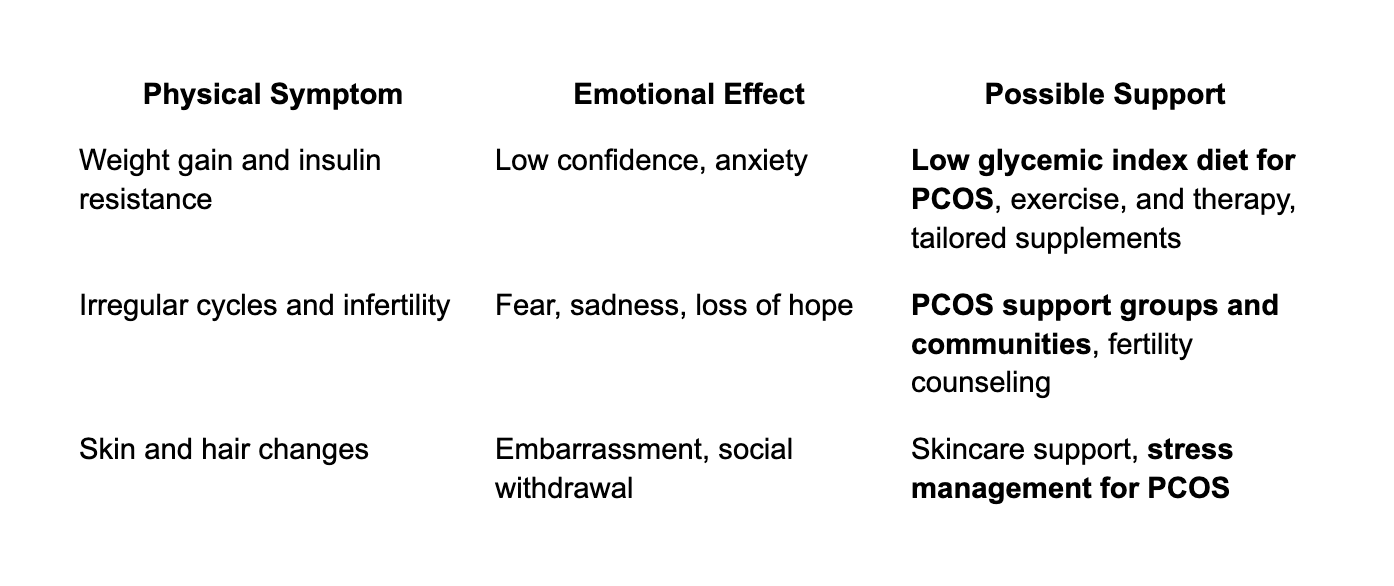
The emotional burden of PCOS is heavy. Many women struggle with body image, feeling unattractive, or worrying about PCOS and infertility struggles. This often causes sadness and low energy. For some, the stress grows into depression, while others may find themselves coping with mood swings in PCOS almost daily.
Case studies in the USA show that women with PCOS are three times more likely to face depression and anxiety than those without it. The hormonal imbalance affects serotonin levels, which makes emotional ups and downs worse. Even something as simple as sleep becomes harder, and poor
sleep and hormone balance in PCOS make the condition more severe. When friends or family do not understand, women feel alone in their journey.

The Impact of PCOS on Relationships.
Relationships also feel the weight of PCOS. Couples may face PCOS when trying for a baby, which can put pressure on intimacy and create distance. Fertility worries make many women feel guilty or fearful, even though it is not their fault. These relationship challenges with PCOS can test the bond between partners.
The key is communication and patience. A partner must learn how to support their partner with PCOS, which includes being patient with mood swings, support through infertility struggles, and joining in attending doctor visits for PCOS. The partner’s role in emotional support is powerful. Sharing the journey by making lifestyle changes together, exercising together to reduce PCOS symptoms, and preparing healthy PCOS diet recipes builds trust and hope.
Coping with PCOS in a Healthy Way
Coping with PCOS is not only about treating the physical symptoms; it’s also about caring for your mind and emotions. Many women find healing through therapy, counseling, or joining PCOS support groups. Talking with others who share the same struggles brings comfort, encouragement, and the reminder that you’re not alone.
Everyday lifestyle choices play a powerful role in PCOS management. Regular exercise, balanced nutrition, and stress relief can improve hormone balance and emotional health. Choosing a low GI diet for insulin resistance, limiting sugar and alcohol, and focusing on mindful practices like yoga or meditation often help reduce stress and mood swings. Quitting smoking supports long-term hormone health, while quality sleep strengthens both energy and mental well-being.
These daily self-care habits go beyond managing PCOS symptoms; they build emotional strength, restore balance, and give women the confidence to live healthier, happier lives with PCOS.
Keeping a Positive Mindset Through the PCOS Journey.
Staying positive with PCOS is not easy, but it is possible. Women need to remind themselves that they are not defined by their diagnosis. A strong mindset helps overcome stress and fear. Positive thinking does not mean ignoring challenges but instead focusing on growth and self-love. Finding stories of others overcoming PCOS and it’s symptoms will steer your thoughts to hope and away from fear.
One way to build positivity is through daily practices. Keeping a journal, practicing gratitude, and joining in yoga and relaxation for PCOS creates calm. Talking openly with a partner, joining PCOS support groups and communities, and having open conversations about fertility, also make a difference. As one woman said in a support group, “I thought I was broken, but when I saw others living with PCOS and smiling, I felt hope again.”
Final Thoughts: You Are Not Alone in This Journey.
PCOS can feel heavy, but no woman should walk this path alone. Whether dealing with treatment side effects or struggling with self-image, there is always help. Emotional support, professional care, and loving relationships bring strength.
Always remember that living with PCOS is about more than symptoms. It is about building health, hope, and resilience. By focusing on both the body and the mind, women can move toward healing. With the right care, patience, and awareness, every woman can find a way to embrace life and move toward a healthier future.
FAQs:
1: Does PCOS make you emotional?
Yes, PCOS can trigger mood swings, anxiety, and depression due to hormonal imbalance. Many women also struggle with low self-esteem.
2: What are the symptoms of a serious PCOS?
Severe PCOS may show irregular or no periods, excessive hair growth, weight gain, acne, and fertility problems.
3: What is living with PCOS like?
Living with PCOS can feel overwhelming, with both physical and emotional struggles, but support and lifestyle changes make it manageable.
4: How to balance hormones in PCOS?
Balancing hormones in PCOS involves a healthy diet, regular exercise, stress management, tailored supplements, and medical guidance when needed.