What Patients Want from Telehealth and What Providers Want for Their Practice and Platform

Dr. Anna Yoder • February 16, 2026

Understanding what patients and providers want from telehealth is essential for creating technology and services that deliver value on both sides of care. The growth of virtual care is not driven by technology alone. It is driven by real human needs, changing expectations, and rising healthcare costs.


What Patients Want from Telehealth

Patients want healthcare that is easy to access, convenient, and affordable. Recent U.S. surveys show that more than 60% of adults prefer digital tools, such as online scheduling, secure messaging, and virtual visits, as part of their healthcare experience.

Patients report that digitally enabled care improves their sense of access and overall quality. However, trust remains critical.


Studies show that over 70% of patients want telehealth platforms that are secure, reliable, and connected to licensed clinicians they trust.


Telehealth adoption continues to rise. Nearly 40% of U.S. adults have used telehealth at least once, and willingness to use virtual care for behavioral health has increased significantly in recent years. Many patients say telehealth delivers care quality comparable to in-person visits, particularly for routine follow-ups, prescription refills, and chronic disease management.


Convenience is one of the strongest drivers. Research consistently shows that patients choose telehealth to avoid long travel times, crowded waiting rooms, and scheduling conflicts. This is especially valuable for working adults, parents, rural residents, and people with mobility limitations. At Telehealth NP, Dr. Anna Yoder sees daily how virtual care removes barriers that once prevented patients from getting timely treatment.


Affordability is another major factor. Over the past decade, insurance premiums and deductibles have risen steadily. As a result, many patients now prefer cash-based telehealth visits. Surveys indicate that a growing share of patients are willing to pay out of pocket when pricing is transparent and predictable, helping them avoid surprise medical bills.
What Providers Want from a Telehealth Practice and Platform

Providers want simplicity. They need telehealth platforms that support high-quality care without adding technical or administrative complexity. Clinicians consistently report that easy scheduling, integrated payments, and streamlined communication are essential features.


Flexibility is also critical. Providers want the ability to deliver care through video visits, asynchronous messaging, or a hybrid model, depending on patient needs. Platforms that support multiple care delivery methods help improve outcomes and provider satisfaction.


Administrative burden remains one of the biggest challenges in healthcare. Studies show that clinicians spend nearly one-third of their time on documentation and administrative tasks. A strong telehealth platform should reduce paperwork, simplify documentation, and make billing more efficient, allowing providers to focus on patient care.


At Telehealth NP, Dr. Anna Yoder and her team prioritize provider-centered design. Their platform supports independent practitioners, helps expand patient reach, and enables clinicians to grow sustainable practices without unnecessary overhead.

Providers also value community and support. Telemedicine can feel isolating for clinicians working independently. Platforms that offer peer connection, education, and shared resources help providers learn, grow, and innovate together.


Learn more about how Telehealth NP supports patient first and provider focused telehealth care.


Conclusion

Patients seek access, convenience, affordability, and trust, while providers seek simplicity, flexibility, efficiency, and community. Understanding these needs, supported by real data and trends, is essential for building patient-centered telehealth solutions that work for everyone.


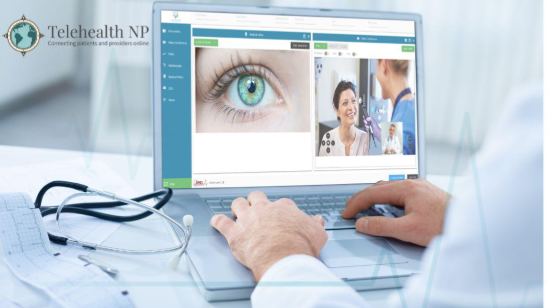
Person using laptop for telehealth. The screen shows a magnified eye and a video call with healthcare providers. Stethoscope on desk.
By Dr. Anna Yoder February 10, 2026
Explore telemedicine trends, telehealth growth in the US, and the future of virtual healthcare. Learn how Telehealth NP and Dr. Anna Yoder are advancing patient-centered telemedicine.
Text:
By Dr. Anna Yoder December 29, 2025
Explore the spiritual side of sexual health and how connection, intention, and mindful intimacy can enhance desire, fulfillment, and overall well-being.
Two silhouetted figures with brains connected by a spiral, one with a heart symbol and female symbol. Glowing blue and red.
By Dr. Anna Yoder December 22, 2025
Discover how mental and emotional well-being influence sexual health. Learn how stress, anxiety, confidence, and relationships shape desire and performance—and ways to improve them.
Couple smiling and touching in bed. Woman's hand on man's neck, man's hand on woman's arm.
By Dr. Anna Yoder December 15, 2025
Explore effective alternative medications for sexual dysfunction, including natural therapies, hormone support, and innovative treatments that help improve performance and restore confidence.
Infographic: Understanding sexual health, featuring physical factors, age-related changes, causes of dysfunction, testing, and treatment options.
By Dr. Anna Yoder December 11, 2025
Improve your sexual health with a clear understanding of the physical factors that influence performance, desire, and well-being. Learn how hormones, circulation, fitness, and overall wellness impact sexual function.
By Dr. Anna Yoder December 1, 2025
Discover how Faith-Based GLP-1 Healing blends science and faith to restore health, balance emotions, and renew your spirit.
By Dr. Anna Yoder November 24, 2025
Obesity is not only a physical condition it deeply affects how we see ourselves and how we live each day. Many people silently carry the emotional burden of extra weight, often hiding their pain behind smiles. They may feel self-conscious , avoid social settings, or pull back from relationships. The truth is, being overweight often separates us from our authentic selves, our confidence, and even our life purpose.  In my practice, I have seen how GLP-1 Emotional Health programs transform patients who once felt trapped by shame and exhaustion. These therapies—powered by GLP-1 receptor agonists such as Semaglutide , Tirzepatide , and Liraglutide —don’t just change the body; they renew the mind. When you address both emotional pain and biology together, true healing begins.
By Dr. Anna Yoder November 17, 2025
Discover how GLP-1 Activation supports weight loss, boosts metabolism, and helps balance hunger naturally for lasting wellness.
By Dr. Anna Yoder November 10, 2025
Discover how GLP-1 medications support weight loss, balance blood sugar, and improve overall metabolic health in 2025.
White stones with the words Faith, Hope, Happiness, and Harmony printed on them.
By Dr. Anna Yoder October 27, 2025
Understanding PCOS Beyond the Physical Understanding the PCOS spiritual meaning goes beyond medical terms and symptoms. Polycystic Ovary Syndrome, often called a hormonal disorder, affects women in their reproductive years with signs such as irregular menstrual cycles, excess androgen levels, and sometimes polycystic ovaries. While doctors focus on the body, many women discover that PCOS is also tied to the heart and spirit. The journey reveals how the mind-body-soul connection plays a role in both pain and healing. For some, the struggle includes physical challenges like insulin resistance and emotional struggles such as fear or grief. Yet, when viewed through faith, PCOS becomes a path toward deeper hope, courage, and spiritual renewal. Finding Strength in Faith During the PCOS Journey. Faith becomes a light when women feel lost. Many find comfort in God’s promise of spiritual truth and healing. When symptoms such as blood sugar spikes, excess body weight, or chronic low-grade inflammation bring discouragement, faith reminds you that God sees beyond the pain. Believing in God’s love opens space for gaining a deeper sense of connection with Him. Through prayer and scripture, you can fight the limiting beliefs that say you are broken. The subconscious mind can hold fear, but faith allows you to release it and build self-confidence and self-worth . What the Bible Teaches About Hope and Healing. The Bible teaches that God is close to the brokenhearted (Psalm 34:18). Stories remind us that suffering is not the end but a step toward His greater plan. Verses speak of illness as an opportunity to receive God’s healing (Psalm 103:3) and suffering can help us grow and find the love of God (Romans 5:3-5). We often find we can grow as individuals, developing virtues like patience, trust, and courage. From creation to redemption, scripture shows us that God cares for both body and soul. His design includes the body as a reflection of the soul . When we walk in faith, we allow His innate healing power to work alongside naturopathic treatments and natural therapies and medical care .