The Future of Care Delivery: When to Use In-Person, Virtual, or Chat Visits
Healthcare delivery today is more diverse than ever before. Patients and clinicians now have multiple ways to connect, diagnose, treat, and manage health conditions. Understanding when to use in-person care, telehealth video or audio visits, and asynchronous chat-based visits helps improve outcomes, reduce costs, and increase patient satisfaction.
In-Person Care
In-person care remains essential for many clinical situations. Physical examinations, diagnostic testing, imaging, procedures, and urgent interventions require direct, hands-on interaction between clinicians and patients.
When to Use In-Person Care
- Physical examinations
- Diagnostic testing and imaging
- Procedures and urgent care
- Complex or unstable medical conditions
Strengths
- Allows full physical assessment
- Immediate intervention when needed
- Strong clinician–patient relationship
- High diagnostic accuracy
Limitations
- Requires travel and waiting time
- Higher costs compared to virtual care
- Limited access for rural or mobility-restricted patients
Despite advances in virtual care, studies show that
over 60% of initial diagnoses still require at least one in-person evaluation for accurate assessment.
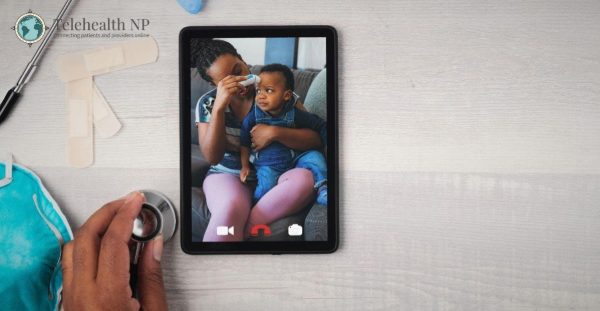
Telehealth Video and Audio Visits
Telehealth video and audio visits are widely used for follow-up care, chronic disease management, mental health counseling, medication management, and specialty consultations that do not require a physical exam.
When to Use Telehealth Visits
- Follow-up appointments
- Chronic condition monitoring
- Mental health counseling
- Prescription management
- Specialist consultations
Strengths
- High convenience and accessibility
- Reduced travel and waiting time
- Expanded access for rural and underserved populations
- Supports continuity of care
Limitations
- Limited physical examination
- Dependent on technology and internet access
- Not suitable for emergencies or procedures
Recent surveys show that nearly 40% of U.S. adults have used telehealth, and more than 70% report satisfaction levels equal to or higher than in-person care when telehealth is used appropriately.
Chat-Based Asynchronous Visits
Asynchronous care includes secure messaging, audio notes, and digital exchanges where patients and clinicians communicate without being online at the same time.
When to Use Chat-Based Care
- Simple medical questions
- Medication refills
- Test result discussions
- Minor symptom triage
- Ongoing care coordination
Strengths
- Extremely flexible for patients and providers
- Lower cost compared to scheduled visits
- Reduces appointment backlogs
- Encourages patient engagement
Limitations
- Not suitable for complex or urgent conditions
- Slower response time in some cases
- Limited ability to assess symptoms visually
Studies indicate that asynchronous visits can reduce unnecessary in-person appointments by up to 30%, improving efficiency without compromising care quality.
Emerging Trends in Healthcare Delivery
Growth of Functional and Integrative Medicine
There has been a noticeable increase in functional and integrative medicine services offered online. Patients are increasingly seeking root-cause, lifestyle-based approaches alongside traditional Western medicine, especially for chronic conditions.
Expansion of Mental Health Telemedicine
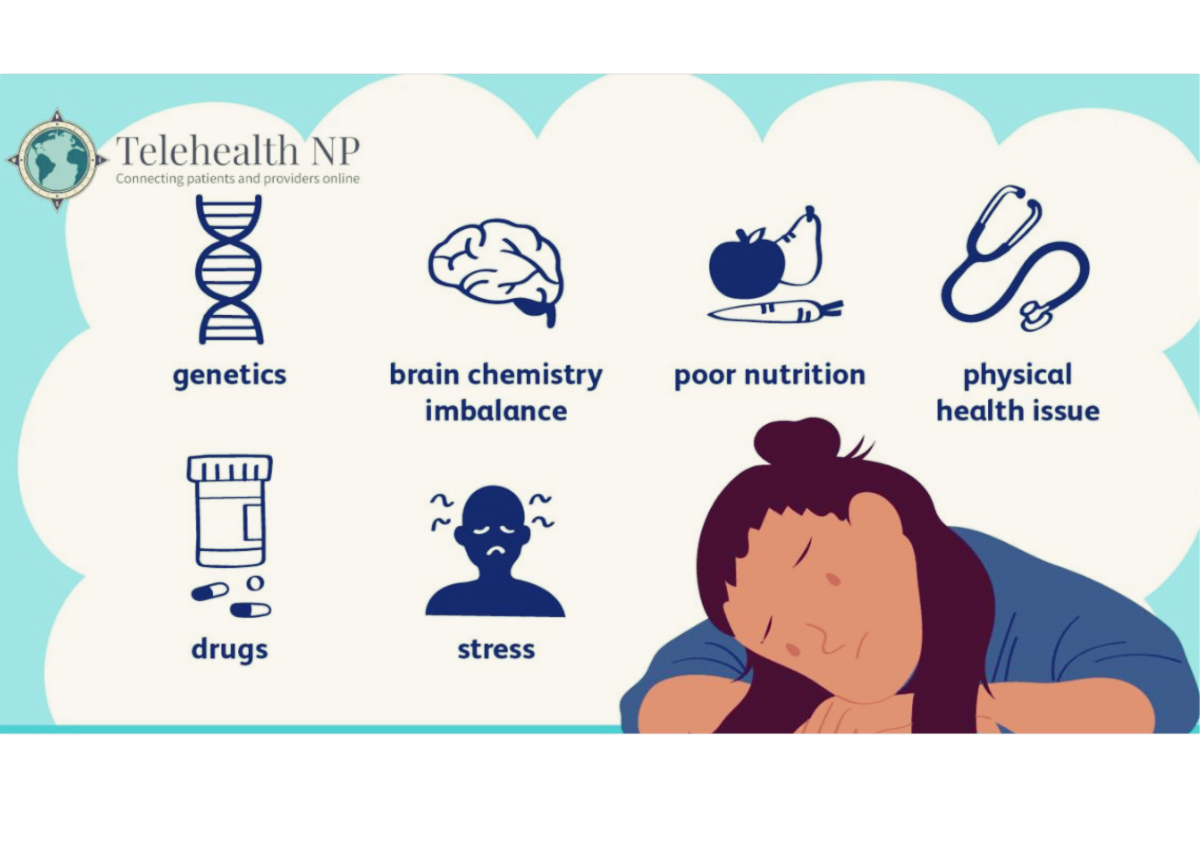
Mental health services have seen some of the highest telehealth adoption rates. Telemedicine now allows patients to access psychiatrists, psychologists, and licensed therapists for therapy and medication management. Telehealth accounts for over 50% of outpatient mental health visits in many regions.
Increasing Awareness of Spiritual Care
Healthcare is increasingly recognizing the role of spiritual well-being in overall health. Many patients now seek spiritual support from pastors, chaplains, and faith-based counselors as part of a holistic approach to healing.
Choosing the Right Care Modality
The most effective healthcare systems use a blended approach, matching the right care delivery method to the patient’s needs, preferences, and clinical situation.
At Telehealth NP, under the leadership of Dr. Anna Yoder, in-person care, telehealth, and asynchronous communication work together to create a patient-centered, provider-supported healthcare ecosystem.