Telehealth vs. In-Person Doctor Visits: Which Is Better for Your Busy Schedule?

Your calendar is full, but a health concern still deserves attention. The choice between a telehealth appointment and an in-person doctor visit depends on what you need, how you feel, and whether your care requires an exam or testing.
Neither option is always better. A virtual visit may fit a conversation-based check-in or a concern that can be assessed remotely. An in-person appointment may be the safer choice when your provider needs to examine you directly or arrange testing. Sometimes the right path starts online and continues in person.
At Telehealth NP, experienced nurse practitioners provide accessible care online. Here’s a practical way to decide which kind of visit may suit your situation.
1. State: Start With Where You Are
For telehealth, begin with the state you’ll be in during the appointment. Provider availability and services can vary by state, so confirm that care is available where you are. You can review Telehealth NP’s state-specific telehealth services or explore the broader services page.
Then consider how your schedule affects your access to care. Would travel, time away from work, caregiving, mobility, or transportation make an office visit difficult? Could you speak privately and use a reliable phone or internet connection for a virtual visit?
Telehealth can make it easier to connect with a provider from home, but convenience should support appropriate care, not replace it. If you’re unsure which type of visit fits, a provider can help you decide whether a virtual assessment is a reasonable first step.
2. Treatment: Match the Visit to What You Need
A good choice starts with the clinical question. Can your concern be assessed through a conversation, what you can show on camera, your health history, and any available records? Or does your care depend on a hands-on examination, a test, or treatment at a clinic?
When Telehealth May Work Well
A virtual visit may be a good fit when your provider can gather the information needed without seeing you in person. Common examples include:
- Follow-up conversations about how you’re doing and what comes next.
- Chronic condition check-ins when symptoms and relevant measurements can be reviewed remotely.
- Questions about treatment or prescription refills, when clinically appropriate.
- Mental wellbeing visits where a private conversation is the main part of care.
- Some minor health concerns that a provider can reasonably assess online.
- Reviewing results or discussing questions about your care plan.
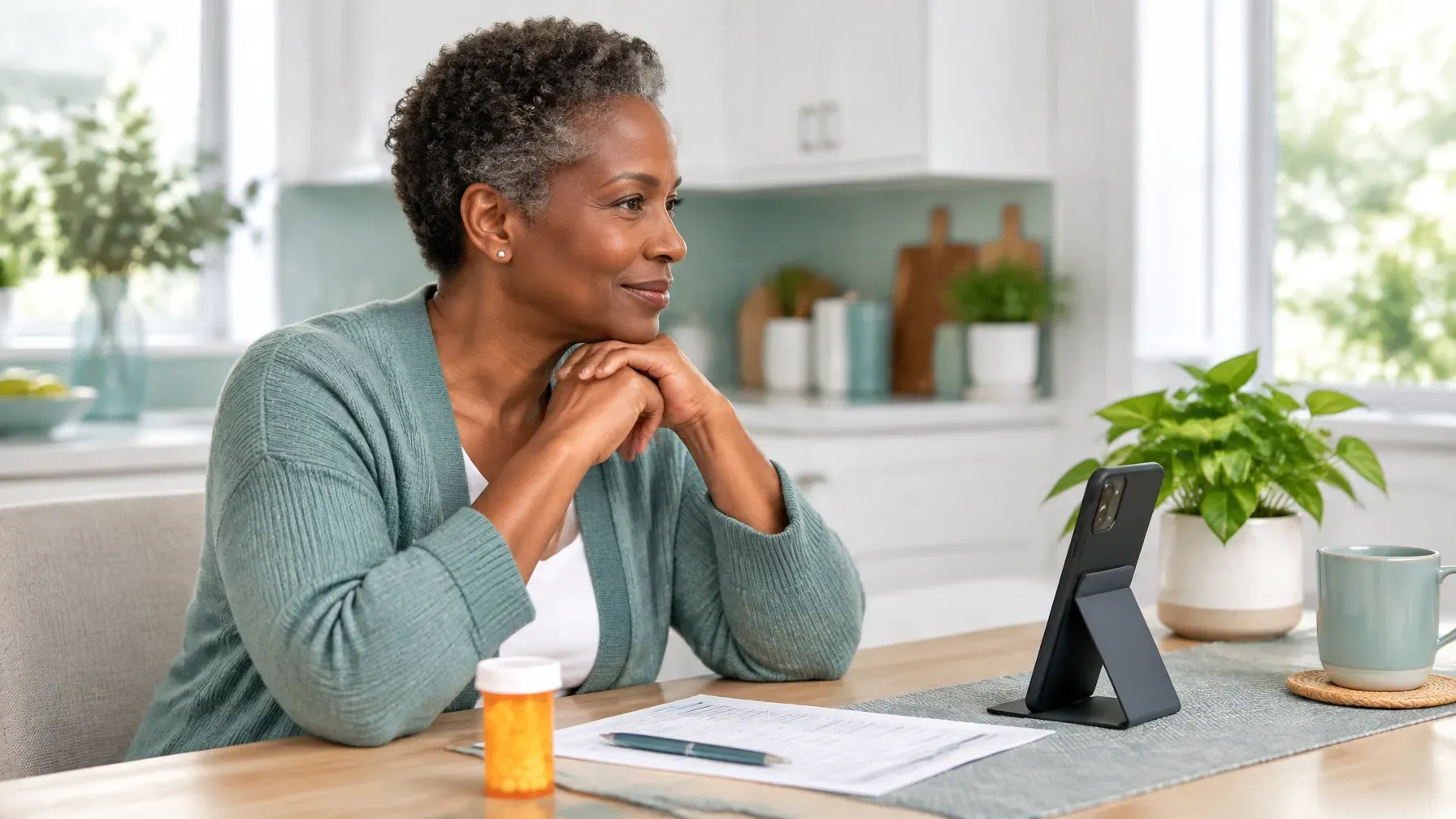
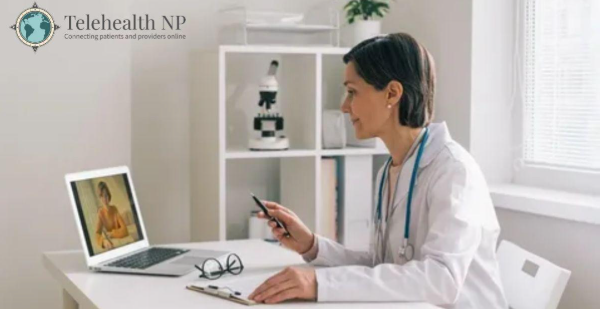
A telehealth doctors appointment can help you connect from home and talk through your health concerns without travel to an office. It can also give you space to discuss your wellbeing as a whole (body, mind, and spirit) not just the symptom that brought you in.

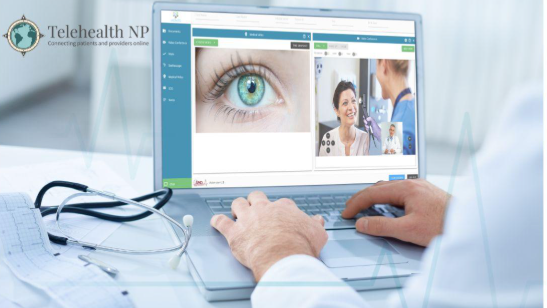
Virtual care has limits. Your provider may not be able to check certain physical signs or collect reliable measurements through a screen. The U.S. Department of Health and Human Services explains what can be treated through telehealth and notes that the appropriate option depends on the concern and the care required.
When an In-Person Visit Is the Safer Call
Choose in-person care, or follow your provider’s advice to arrange it, when a safe assessment may require:
- A hands-on physical exam.
- Imaging, lab work, or other tests that need to be done at a clinic or lab.
- A procedure or treatment that cannot be provided virtually.
- A closer assessment because your symptoms are changing or difficult to evaluate online.
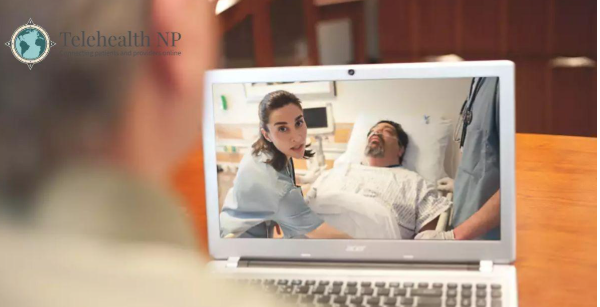
A video visit can sometimes help clarify what you need next, even if the next step is an office visit or testing. This is not a failed appointment; it is a responsible way to match care to your needs. The CDC’s guidance on outpatient telemedicine also recognizes that some concerns need an in-person examination or testing.

When to Seek Emergency Help
Do not wait for a routine telehealth or office appointment if you may be experiencing a medical emergency. For symptoms such as severe trouble breathing, chest pain, signs of stroke, severe bleeding, or sudden severe confusion, call 911 or your local emergency number and follow the dispatcher’s instructions. Telehealth is not a substitute for emergency services. HHS guidance on telehealth and emergency care offers more information.
3. Provider: Choose Care That Can Adapt
The best visit is one that gives you access to appropriate care and a clear next step. Before booking, consider whether the provider can address your concern online and what will happen if you need an examination or testing afterward.
During a virtual visit, it can help to have your symptoms, relevant health information, medications, and questions ready. Find a private place if you can. If the provider recommends an in-person assessment, ask what needs to happen next and how soon. Your needs may change as you talk; a good care plan should account for that.
With Telehealth NP, you can connect with experienced nurse practitioners online and discuss a personalized approach to your care. Learn more about Telehealth NP. Availability depends on your location and the service that fits your needs.

A Simple Way to Decide
Use this quick check as a starting point, not a diagnosis:
- Consider telehealth when your concern can likely be discussed and assessed remotely, and you can connect privately.
- Choose in-person care when you may need an exam, imaging, lab work, a procedure, or another hands-on service.
- Seek emergency help for symptoms that could be life-threatening.
- Ask a provider if you’re uncertain. A virtual conversation may help clarify the appropriate next step.
Your schedule matters, and so does the kind of care your health calls for. Telehealth appointments can make it easier to start a conversation, while in-person care remains essential when direct examination or testing is needed. You don’t have to decide alone.
Care That Fits Your Needs
The right visit helps you feel heard and gives you a responsible path forward. Whether you’re checking in about your health, discussing your wellbeing, or deciding what kind of care to seek, Telehealth NP is here to make online care more accessible and personal.
Schedule a telehealth appointment with Telehealth NP and take a comfortable next step toward feeling better, and feeling empowered.

The body content of your post goes here. To edit this text, click on it and delete this default text and start typing your own or paste your own from a different source.