Discover the Power of Relationship in Overcoming Depression
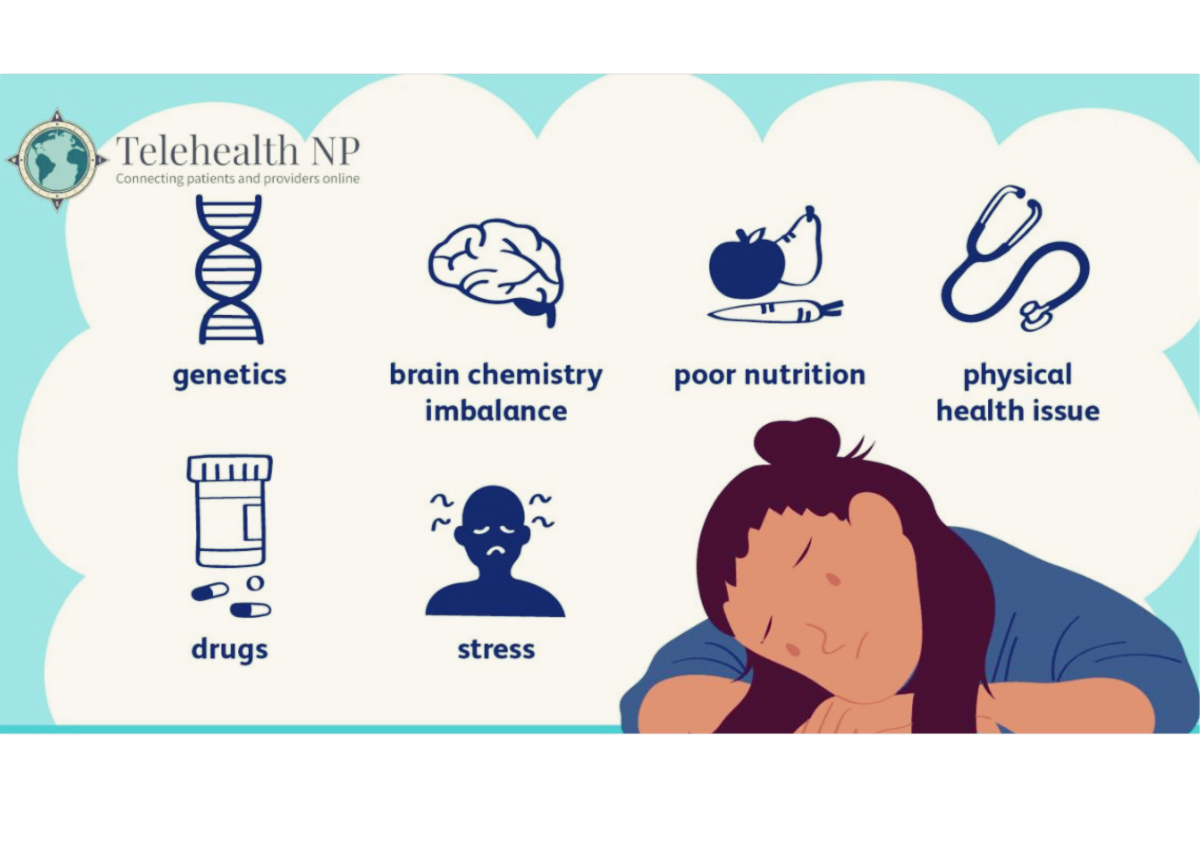
Depression is often discussed in terms of brain chemistry, medications, or physical health. While these biological factors are important, many people also experience depression that is deeply connected to emotional pain, broken relationships, unresolved conflict, or feelings of disconnection.
Human beings are relational by nature. Our emotional wellbeing is closely tied to the quality of our relationships with family, friends, partners, and community. When those relationships become strained or damaged, the emotional impact can be significant.
From a relational and emotional perspective, depression can sometimes reflect unresolved wounds in our relationships with others or within ourselves. Understanding and addressing these relational challenges can be an important part of healing.
This blog explores the emotional and relational contributors to depression and practical ways to begin restoring connection and inner peace.
How Relationships Affect Mental Health

Healthy relationships provide emotional safety, support, and a sense of belonging. They help regulate stress, improve resilience, and give meaning to our lives.
When relationships break down, however, the emotional impact can lead to symptoms such as:
- Persistent sadness
- Feelings of loneliness or isolation
- Loss of motivation
- Anxiety or emotional exhaustion
- Difficulty trusting others
In some cases, unresolved relational pain can quietly accumulate over time, eventually contributing to depression.
Common Relational and Emotional Causes of Depression
Unresolved Conflict
Long standing conflict with loved ones can create ongoing emotional stress. When disagreements remain unresolved, people may carry feelings of frustration, anger, or hurt for years.
This emotional tension can gradually affect mental health, especially when communication breaks down and problems remain unaddressed.
Broken or Strained Relationships
The loss of meaningful relationships can be deeply painful. This might include
- Divorce or separation
- Family estrangement
- Friendship breakdowns
- Workplace conflict
- Loss of trust after betrayal
When important relationships fracture, people may experience grief, rejection, or a loss of identity and belonging.
Resentment and Emotional Burdens
Holding onto resentment can feel like carrying a heavy emotional weight. When painful experiences are not processed, they can lead to bitterness, anger, or emotional numbness.
These feelings can quietly influence mood and outlook, tilting them to the dark and negative side, thus contributing to depressive symptoms over time.
Loneliness and Emotional Isolation
Even in a world that is more connected than ever, many people experience profound loneliness.
A lack of meaningful relationships can lead to
- Emotional emptiness
- Reduced self worth
- Increased vulnerability to depression
Human beings thrive on connection. When that connection is missing, emotional wellbeing often suffers.
The Healing Power of Restored Relationships
While broken relationships can contribute to depression, healing and reconciliation can also be powerful sources of recovery.
Repairing relationships or resolving emotional wounds can bring relief, clarity, and renewed emotional strength.
This process does not always mean returning relationships to exactly how they once were. Instead, it often involves creating healthier boundaries, honest communication, and emotional closure.
Forgiveness as an Emotional Release
Forgiveness is often misunderstood. It does not mean excusing harmful behavior or ignoring past pain.
Instead, forgiveness can be viewed as a process of releasing the emotional burden of resentment so that it no longer controls your wellbeing.
Many people find that practicing forgiveness can lead to
- Reduced emotional stress
- Greater inner peace
- Improved mental clarity
- Healthier relationships moving forward
Forgiveness is often a gradual process that requires patience and self compassion.
Steps Toward Amending and Healing Relationships
Restoring relationships can feel intimidating, especially when emotional wounds run deep. However, small intentional steps can often begin the process of healing.
Honest Self Reflection
The first step in repairing relationships often involves reflecting on our own role in conflict.
Questions that may help include:
- What happened from my perspective?
- How might the other person have experienced the situation?
- Is there something I wish I had handled differently?
Self awareness creates space for more constructive conversations.
Open and Respectful Communication
Healthy communication is essential for rebuilding trust. When reaching out to someone to address past conflict, it can help to focus on
- Speaking honestly but calmly
- Listening without interrupting
- Acknowledging the other person’s feelings
Using language that expresses personal feelings rather than blame often leads to more productive conversations.
For example:
“I felt hurt when that situation happened and I would like to talk about it” instead of “You caused this problem.”
Offering a Genuine Apology
When appropriate, offering a sincere apology can be a powerful step toward healing.
A meaningful apology usually includes
- Acknowledging the harm caused
- Taking responsibility without excuses
- Expressing a desire to improve the relationship
- Asking how amends can be made when appropriate
Even when the other person is not ready to respond immediately, a sincere apology can open the door to future reconciliation.
Setting Healthy Boundaries
Not every relationship can or should return to the way it was before. In some situations, emotional health requires setting new boundaries.
Healthy boundaries help protect wellbeing while still allowing respectful communication.
Examples may include:
- Limiting certain types of conversations
- Establishing emotional distance when needed
- Prioritizing relationships that are supportive and respectful
The Role of Counseling and Support
Healing relational wounds can sometimes be difficult to do alone. Professional support can help individuals process emotional pain and develop healthier communication skills.
Therapists and counselors often assist with
- Conflict resolution strategies
- Emotional processing
- Forgiveness work
- Rebuilding trust in relationships
For many people, therapy provides a safe environment to explore complex emotions and begin the healing process.
Reconnecting With Meaning and Purpose
In addition to repairing relationships with others, many people also benefit from reconnecting with their inner sense of purpose, values, and emotional identity.
Activities that support emotional wellbeing may include
- Journaling and self reflection
- Spending time with supportive community members
- Practicing gratitude
- Engaging in meaningful service or volunteering
These experiences can help rebuild a sense of connection and emotional strength.
A Compassionate Path Toward Healing
Depression is often complex and may involve physical, emotional, and relational factors all at once.
Recognizing the impact of relationships on mental health allows us to approach healing from a more compassionate and holistic perspective.
By addressing unresolved conflict, releasing resentment, and nurturing healthier connections, many people find renewed emotional balance and hope.
If you are struggling with depression connected to relationship challenges, speaking with a qualified healthcare professional or counselor can provide guidance and support on your path toward healing.
Reconnect, Heal, and Find Support Today
If your depression is linked to broken relationships, unresolved conflict, or emotional disconnection, professional guidance can help. Qualified therapists and counselors can support you in restoring connections, practicing forgiveness, and rebuilding emotional wellbeing.
Take the first step toward healing. Speak with a licensed provider who can guide you on your path to emotional recovery and renewed inner peace.