Join Us on a Journey to Understand and Treat Depression Effectively
This next month, I am going to delve into the topic of depression. As before, I will break the topic into four categories covering 4 weeks. Week 1 we will address the physiological aspect of depression. Week 2 will bring an integrative medicine perspective and alternative treatments for depression. Week 3 we will discuss relational and psychological aspects of depression. Finally, during week 4, we will explore the spiritual dimension of depression. I hope you find these enlightening, helpful and hopeful.
Depression is often described as an emotional or mental health condition, but many people are surprised to learn that depression also has strong physical and biological components. In fact, modern medical research shows that depression frequently involves changes in brain chemistry, hormones, genetics, and overall body health.
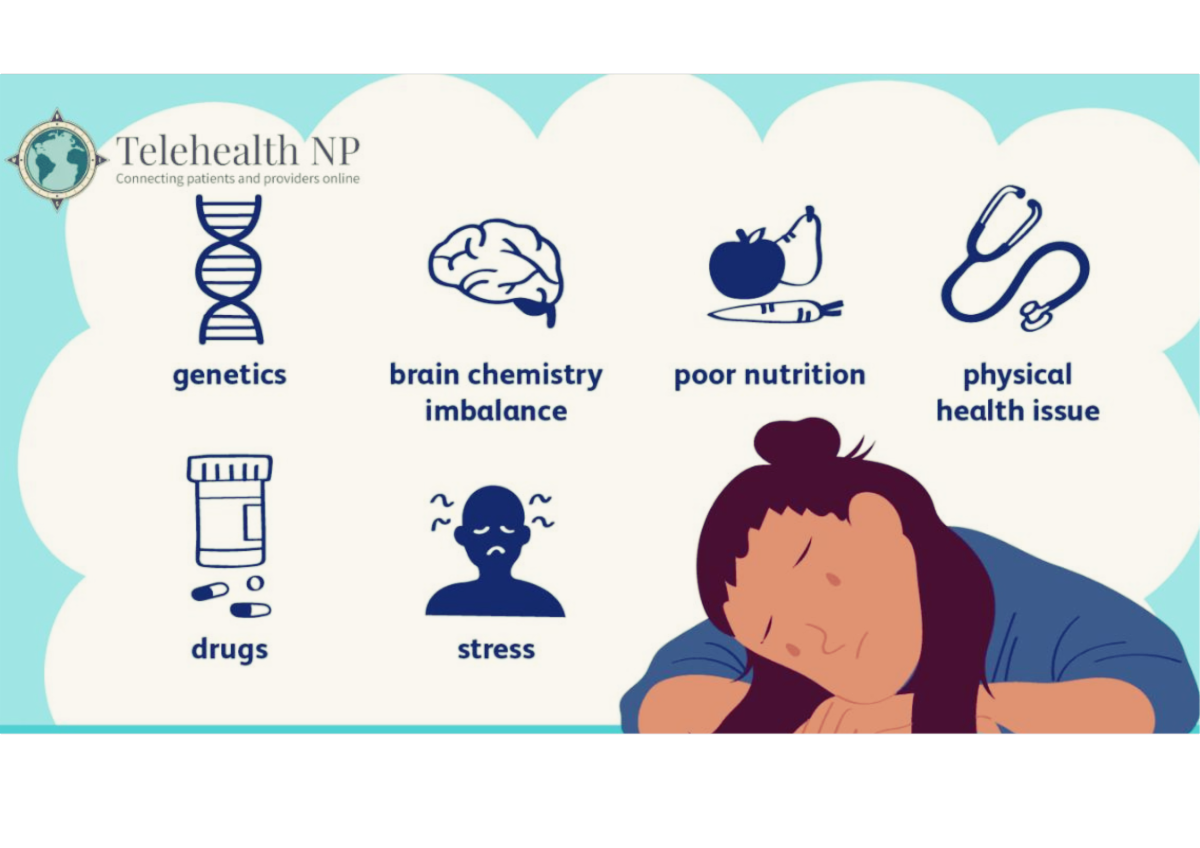
Understanding the physical causes of depression can help patients realize something important: depression is a real medical condition, not a personal weakness. With the right treatment and support, recovery is possible.
This article explains the biological causes of depression and how Western medicine treats them.
The Physical Causes of Depression
Depression rarely has a single cause. Most cases develop from a combination of biological factors that affect how the brain regulates mood, energy, and motivation.
1. Brain Chemistry Imbalance
The most studied biological cause of depression involves two key amino acids and three neurotransmitters, the chemical messengers that allow brain cells to communicate.
Two key amino acids that represent 90% of the synaptic transmission in brain chemistry are:
- GABA- gamma aminobutyric acid- inhibitor, puts the brakes on to calm nerve cell activity, regulates sleep and muscle tone
- Glutamate – activate, stimulates nerve cell to fire and is key for learning, memory, brain function
Three key neurotransmitters play a major role in mood regulation:
- Serotonin which influences mood, sleep, and emotional stability
- Dopamine which affects motivation, pleasure, and reward
- Norepinephrine which helps regulate alertness and energy
When these chemicals become imbalanced, communication between brain cells can be disrupted, leading to symptoms such as low mood, fatigue, and loss of interest in activities. (Cleveland Clinic)
2. Hormonal Changes and Stress Response
The body’s stress system, called the HPA axis (hypothalamic pituitary adrenal axis), also plays a major role in depression. Chronic stress can lead to elevated levels of the hormone cortisol from the adrenal glands (remember glutamate), which affects brain regions responsible for mood and memory. Research shows that many people with depression have abnormal cortisol regulation due to long term stress exposure. (PMC)
Hormonal changes can also trigger depressive symptoms, including:
- Thyroid disorders
- Postpartum hormonal shifts
- Hormone excess or deficiencies in estrogen, progesterone, and testosterone
3. Genetics, Epigenetics and Family History
Depression often runs in families. If a parent or sibling has experienced depression, the risk of developing it can be two to three times higher. Scientists believe this occurs because certain genetic variations influence how the brain processes stress and regulates neurotransmitters. However, genetics alone does not determine whether someone develops depression. Environmental and lifestyle factors also play a role. (Cleveland Clinic)
Epigenetics refers to how your genes unfold and express themselves for RNA translation. The role epigenetics plays is modifiable, whereas genetics is not modifiable. How genes unfold for translation is directly impacted by our diet, stress levels, exercise, chemicals, and exposure to pollutants. Think of environmental toxins and food toxins from processed food. Research has shown higher incidence of depression in those consuming an ultra-processed food diet.
4. Brain Structure and Function
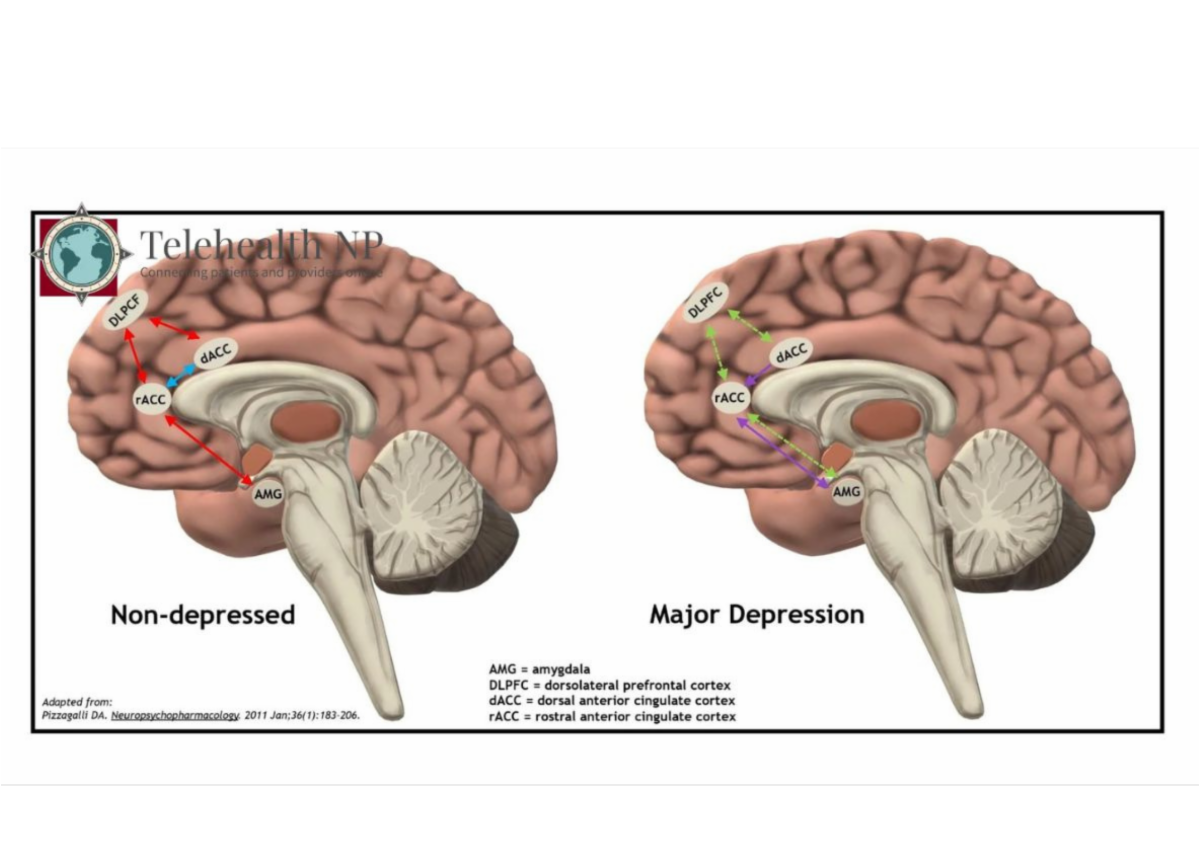
Brain imaging studies have identified structural and functional differences in individuals with depression. Some areas of the brain that may be affected include:
- The hippocampus, involved in memory and emotional regulation
- The prefrontal cortex, responsible for decision making and emotional control
- The amygdala, which processes emotional responses
Changes in these regions can affect how the brain processes stress, emotions, and motivation. (Science News Today)
5. Chronic Medical Conditions
Certain physical health problems can increase the risk of depression. Examples include:
- Chronic pain conditions
- Diabetes
- Heart disease
- Neurological disorders
- Autoimmune diseases
Living with long term illness can affect both the brain and body, making depression more likely. (Priory)
Take the Next Step for Your Mental Health
If you’re struggling with the physical causes of depression, you don’t have to face it alone. Professional care can make a real difference in helping your brain chemistry, hormones, and overall health get back into balance.
For trustworthy medical support and personalized treatment options, Click here to schedule a visit today.
Don’t wait to feel better. Talk to a qualified provider now and start a path toward real healing and emotional strength.
Western Medicine Treatments for Depression
The good news is that depression is one of the most treatable mental health conditions. Western medicine offers several effective options based on scientific research.
Treatment plans are personalized and often combine medication, therapy, and lifestyle support.
1. Antidepressant Medications
Antidepressants help restore balance to brain neurotransmitters. Common types include:
SSRIs (Selective Serotonin Reuptake Inhibitors)
These medications increase serotonin levels in the brain and are often the first line treatment. Examples include:
- Sertraline
- Fluoxetine
- Escitalopram
They are widely used because they tend to have fewer side effects.
SNRIs (Serotonin Norepinephrine Reuptake Inhibitors)
These medications increase both serotonin and norepinephrine levels to improve mood and energy. Examples include:
- Venlafaxine
- Duloxetine
- Desvenlafaxine
They work by preventing the brain from reabsorbing these neurotransmitters too quickly. (Wikipedia)
Other Antidepressants
- Some patients may benefit from other medication types such as:
- Tricyclic antidepressants
- MAO inhibitors
- Atypical antidepressants - Remeron, Wellbutrin
A healthcare provider determines the best option based on symptoms, medical history, and potential side effects.

2. Medical Evaluation and Treating Underlying Conditions
Because depression can be linked to physical health issues, providers often evaluate for underlying conditions such as:
- Thyroid disorders
- Vitamin deficiencies
- Hormonal imbalance
- Chronic illnesses
Treating these conditions can sometimes significantly improve depressive symptoms.
3. Brain Stimulation Therapies
For patients who do not respond to medication alone, doctors may recommend advanced treatments such as:
- Transcranial Magnetic Stimulation (TMS)
- Electroconvulsive Therapy (ECT)
These therapies stimulate specific brain areas involved in mood regulation and can be highly effective in severe or treatment resistant depression.
When to Seek Help
If you or someone you love experiences symptoms such as persistent sadness, fatigue, sleep changes, loss of interest in activities, or difficulty concentrating, it may be time to speak with a healthcare professional.
Final Thoughts
Depression is more than just feeling sad. It is a complex medical condition involving the brain, hormones, genetics, and overall physical health. Understanding the biological causes of depression helps remove stigma and opens the door to effective treatment. With modern medical care, compassionate support, and personalized treatment plans, healing is possible.
If you are struggling with symptoms of depression, reaching out to a healthcare provider is an important first step toward recovery.