Feeling Lost? Discover Spiritual Practices That Heal Depression.
Depression can affect many areas of life, including physical health, emotional wellbeing, and relationships. For many people, there is also a spiritual dimension to mental health that is sometimes overlooked.
Spiritual Causes of Depression: Reconnecting With God and Restoring Inner Peace
From a spiritual perspective, feelings of emptiness, hopelessness, or deep inner restlessness may reflect a disconnection from God or from one’s spiritual foundation. Many faith traditions describe this as a “vertical relationship” that influences the deeper sense of identity, meaning, purpose, and peace in life.

When this spiritual connection becomes strained or neglected, people may experience a sense of inner void that can contribute to emotional distress or depression. This blog explores the spiritual dimension of depression and how reconnecting with faith, prayer, and scripture may help support healing and emotional restoration.
The Human Need for Spiritual Connection
Across cultures and traditions, human beings have long sought meaning beyond the material world. Spiritual connection often provides.
- A personal unique identity
- A sense of purpose
- Hope during difficult seasons
- Guidance for life decisions
- Inner peace during hardship
When individuals feel spiritually disconnected, they may experience
- Feelings of emptiness or meaninglessness
- Loss of hope or direction
- Increased anxiety about life circumstances
- A sense of isolation even when surrounded by others
For many people, strengthening their spiritual life becomes an important part of emotional healing.

Examples of Depression in Scripture
Spiritual texts often acknowledge that even strong believers can experience deep emotional struggles. Many scriptures openly describe moments of despair, discouragement, and spiritual exhaustion. These passages can offer reassurance that depression is not a sign of weakness or lack of faith, but a human experience that many have faced throughout history.
David’s Experience of Emotional Distress
The Psalms frequently describe intense emotional pain and spiritual searching. One well-known example appears in Psalm 42 “Why, my soul, are you downcast? Why so disturbed within me? Put your hope in God.” This passage reflects a struggle between emotional discouragement and the effort to renew faith and hope.
Elijah’s Exhaustion and Despair
In 1 Kings 19, the prophet Elijah experienced deep discouragement and asked God to take his life after a moment of intense stress and fear culminating in a tremendous victory. Instead of condemnation, Elijah received care and restoration from God. God visited Elijah who was hiding in a cave and gave him food and told him to sleep. God said he needed strength for the next leg of his journey. This story highlights an important spiritual principle. Even faithful individuals may experience periods of emotional exhaustion and despair, and God is there to meet those practical personal needs with compassion.
Job’s Suffering and Honest Expression
The story of Job illustrates the emotional pain that can arise during prolonged hardship. Job openly expressed grief, confusion, and frustration while still maintaining a relationship with God. His story demonstrates that spiritual honesty and vulnerability are part of the healing process. And, his story also reveals that God doesn’t leave us in despair in our trials, but brings us out to victory and greater success than before (James 5:11).
Spiritual Causes That May Contribute to Depression
From a faith perspective, certain spiritual struggles may influence emotional wellbeing. These may include
- Feeling distant from God
- Loss of spiritual direction or purpose
- Carrying unresolved guilt or shame from sin
- Neglecting spiritual practices such as prayer or reflection
- Experiencing spiritual doubt during difficult life events
These experiences can sometimes create a sense of inner conflict or spiritual emptiness.

Spiritual Practices That Support Mental Health
Reconnecting with spiritual practices can help restore a sense of peace and stability. For many people, these practices provide comfort and perspective during difficult seasons.
Prayer and Honest Conversation with God
Prayer allows individuals to express emotions openly, including sadness, fear, frustration, and hope. Spiritual traditions often emphasize that prayer does not require perfect words. Honest communication can help individuals feel heard and supported during difficult times. Prayer may include
- Expressing gratitude
- Seeking guidance
- Asking for strength and peace
- Reflecting on personal struggles
Meditation and Reflective Reading
Reading sacred texts and reflecting on their meaning can provide encouragement and spiritual insight. Many people find comfort in passages that emphasize hope, compassion, and resilience. Spending quiet time in reflection can also calm the mind and reduce emotional stress. Confession of sin resolves guilt and shame, allowing us to receive mercy from God.
Community and Spiritual Fellowship
Isolation can worsen feelings of depression. Spiritual communities often provide support, encouragement, and shared purpose. Participating in a faith community may help individuals
- Build meaningful relationships
- Receive emotional support
- Strengthen spiritual identity
- Experience encouragement during difficult times
Reaching out to a trustworthy pastor or clergy member
Practicing Gratitude and Compassion
Spiritual traditions frequently encourage gratitude and compassion toward others. Acts of kindness, service, and generosity can strengthen emotional wellbeing and create a sense of purpose. Helping others often reminds individuals that their lives still carry meaning and value.
Integrating Spiritual Care With Mental Health Treatment
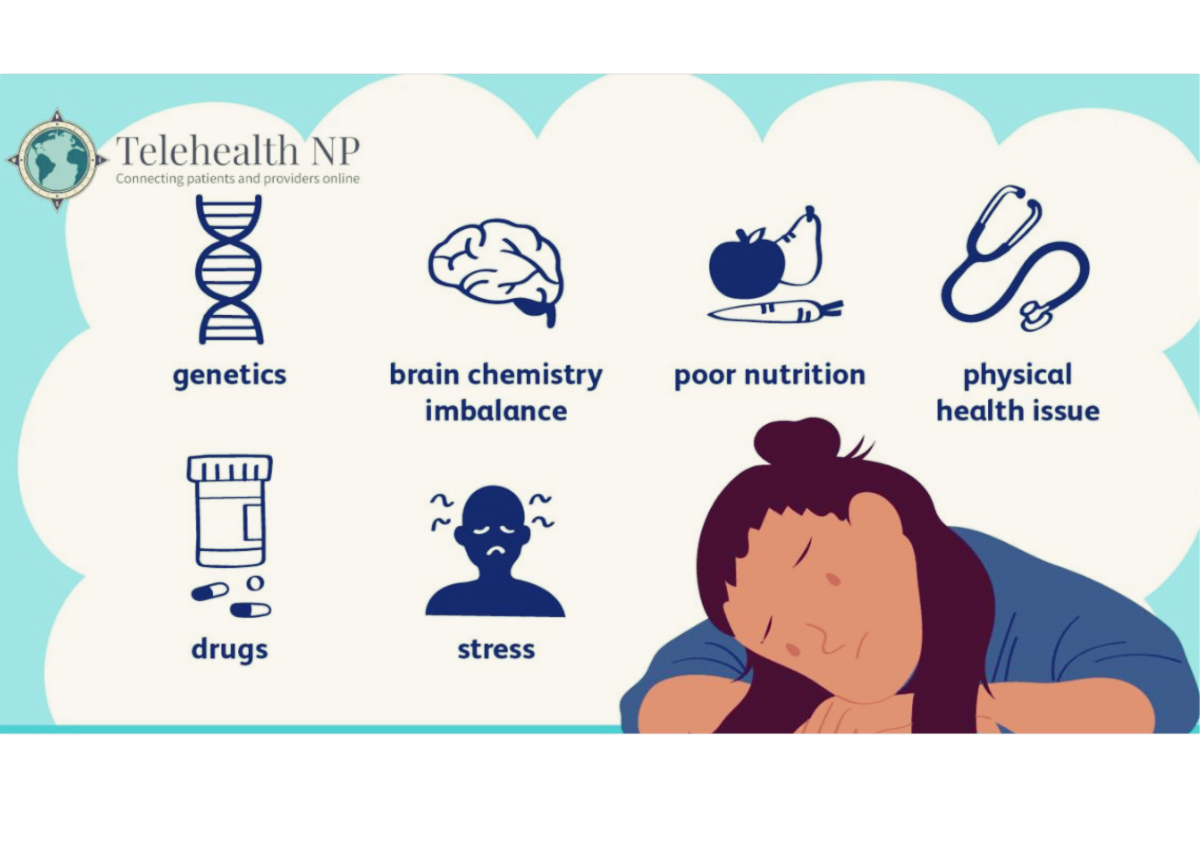
Spiritual practices can be a valuable source of support, but they are most effective when integrated with appropriate medical or psychological care when needed. Depression is a complex condition that may involve
- Biological factors
- Emotional experiences
- Relationship challenges
- Spiritual struggles
Addressing each of these areas can lead to a more balanced and comprehensive approach to healing. Healthcare providers, counselors, and spiritual leaders can often work together to support individuals facing depression.
Finding Hope Through Spiritual Renewal
Many people discover that strengthening their spiritual connection provides comfort during periods of emotional difficulty. Reconnecting with faith, engaging in prayer, and seeking supportive community can help restore a sense of hope and purpose. While depression can feel overwhelming, healing is possible through a combination of compassionate care, supportive relationships, and spiritual renewal. If you are experiencing persistent sadness, emotional distress, or loss of hope, reaching out to a qualified healthcare professional or counselor can be an important step toward recovery. No one has to face depression alone. With support, understanding, and faith, it is possible to rediscover peace and renewed purpose.
Reconnect Spiritually and Heal Your Mind
If you’re experiencing depression connected to spiritual disconnection, seeking guidance can help restore hope, purpose, and inner peace. Prayer, reflection, and supportive care can make a meaningful difference. Start your journey toward spiritual and emotional healing. Speak with a qualified provider who can guide you in integrating mental health support with your spiritual wellbeing.

Healing Scriptures
Psalm 32:1-5
"Blessed is the one whose transgressions are forgiven, whose sins are covered. Blessed is the one whose sin the LORD does not count against them and in whose spirit is no deceit. When I kept silent, my bones wasted away through my groaning all day long. For day and night your hand was heavy on me; my strength was sapped as in the heat of summer. Then I acknowledged my sin to you and did not cover up my iniquity. I said, ‘I will confess my transgressions to the LORD.’ And you forgave the guilt of my sin."
Isaiah 1:18
"But ‘Come now, let us settle the matter’, says the LORD. ‘Though your sins are like scarlet, they shall be white as snow; though they are red as crimson, they shall be like wool."
Romans 10:9-10
"If you declare with your mouth, “Jesus is Lord,” and if you believe in your heart that God raised him from the dead, you will be saved. For it is with your heart that you believe and are justified, and it is with your mouth that you profess your faith and are saved.”
Romans 3:23-24
“For all have sinned and fall short of the glory of God, and all are justified freely by His grace through the redemption that came by Jesus Christ.”
Isaiah 59:2
"But your iniquities have separated you from your God; your sins have hidden his face from you so that He will not hear."
Proverbs 28:13
"Whoever conceals their sins does not prosper, but the one who confesses and renounces them finds mercy.”
1 John 1:8-9
"If we claim to be without sin, we deceive ourselves and the truth is not in us. If we confess our sins, He is faithful and just and will forgive us our sins and purify us from all unrighteousness."