Discover Nutritional Secrets for Depression Relief
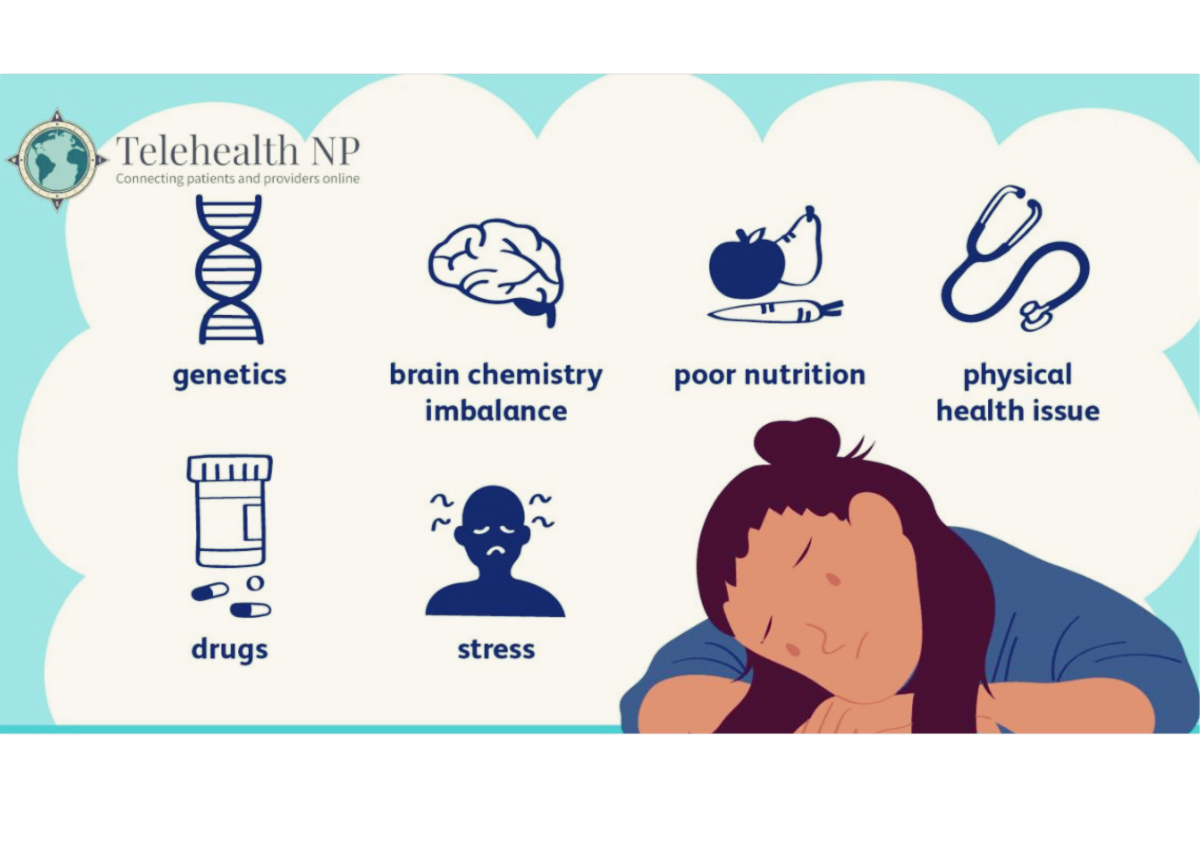
Depression is often treated with therapy and medication, but many patients are surprised to learn that nutrition and biological deficiencies can also influence mood and mental health. Remember Epigenetics from our 1st blog ? The brain relies on a wide range of vitamins, minerals, amino acids, and hormones to regulate mood, motivation, sleep, and emotional balance.
When the body lacks these essential nutrients, brain chemistry can be affected, sometimes contributing to symptoms such as low mood, fatigue, anxiety, brain fog, and difficulty concentrating.
An integrative approach to mental health looks beyond symptoms and explores underlying biological factors, including nutritional deficiencies and emerging therapies that support the brain’s natural chemistry.
This article explores some of the most common nutritional contributors to depression and potential treatment approaches.
How Nutrition affects Brain Health
The brain is one of the most metabolically active organs in the body. It requires a constant supply of nutrients to produce neurotransmitters such as serotonin, dopamine, norepinephrine, glutamate, and GABA.
These chemicals regulate mood, motivation, sleep, and emotional resilience.
When nutritional deficiencies occur, the brain may struggle to maintain healthy neurotransmitter levels, which can contribute to symptoms of depression.
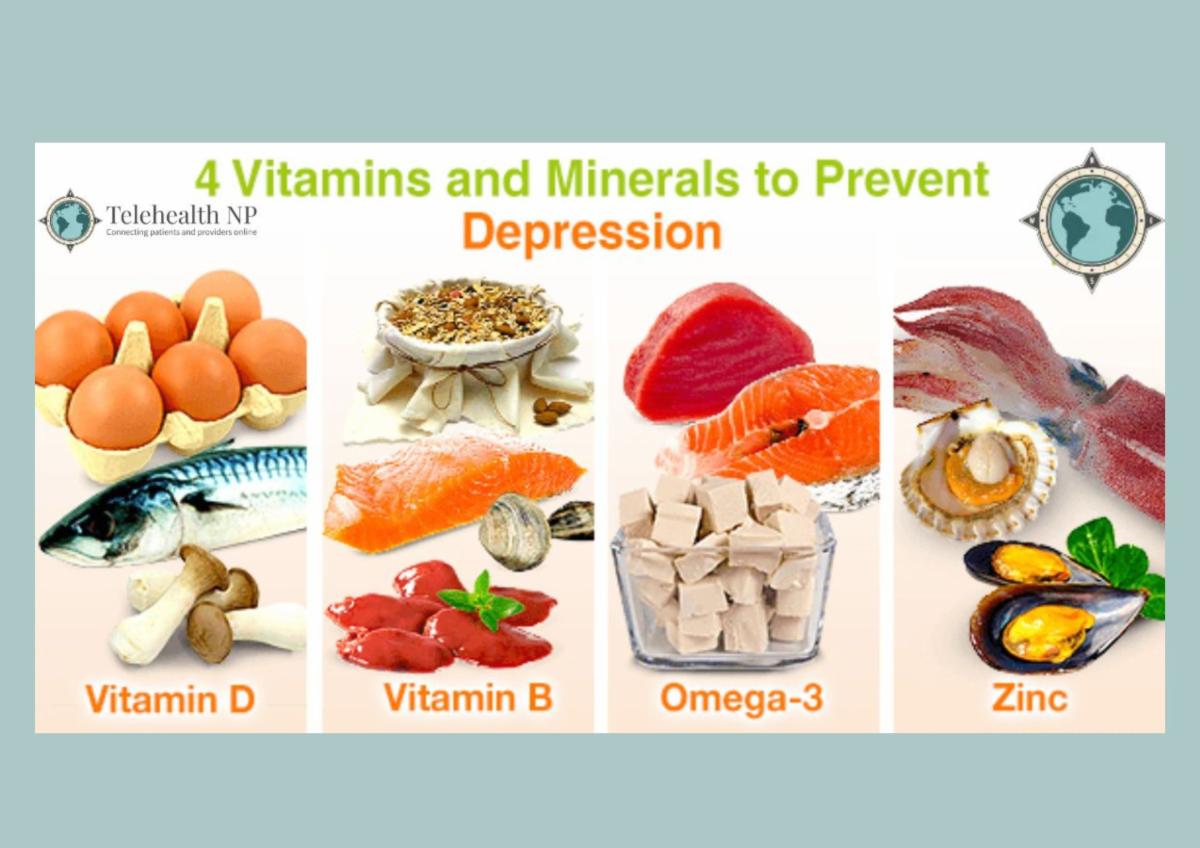
Common Nutritional Deficiencies Linked to Depression
Vitamin D Deficiency
Vitamin D plays an important role in brain function and immune regulation. Low vitamin D levels have been associated with increased rates of depression and seasonal mood changes. The National Institutes of Health report that 65-70% of the U.S. Population has insufficient levels (< 30 ng/dl). Optimal Vitamin D levels for the average individual should be 70-80 ng/dl.
Many people have low vitamin D levels due to limited sun exposure, indoor lifestyles, or dietary factors.
Potential support strategies may include
-
Vitamin D3 supplementation
- Moderate sunlight exposure
- Regular monitoring of blood levels with a healthcare provider
B Vitamin Deficiencies
B vitamins are essential for energy production and brain chemistry. They help the body convert nutrients into neurotransmitters that regulate mood.
Important B vitamins for mental health include
- Vitamin B6, also known as pyridoxine
- Vitamin B9 also known as folate
- Vitamin B12 also known as cobalamin
Low levels of these nutrients may contribute to fatigue, irritability, and depressive symptoms.
Support options may include
- Nutrient rich foods such as leafy greens, eggs, and legumes
-
B complex supplementation when recommended by a healthcare professional ( methylated forms of vitamin B’s are best)
Magnesium Deficiency
Magnesium supports the nervous system and helps regulate stress responses. It also plays a role in calming the brain and supporting sleep.
Low magnesium levels have been linked to increased anxiety and depressive symptoms.
Support strategies may include
- Magnesium rich foods such as nuts, seeds, and whole grains
-
Magnesium glycinate or magnesium citrate supplementation when appropriate
Omega 3 Fatty Acid Deficiency
Omega 3 fatty acids are essential fats that support brain structure and reduce inflammation.
Low intake of omega 3 fatty acids has been associated with mood disorders.
Support options include:
- Fatty fish such as salmon or sardines
-
Fish oil or algae based omega 3 supplements
Amino Acids and Neurotransmitter Production
The brain also relies on amino acids, which are the building blocks of proteins, to produce neurotransmitters. There are 21 amino acids, 11 of which are essential (must be consumed through the diet because the body doesn’t make them).
Examples include
- Tryptophan which helps produce serotonin
- Tyrosine which supports dopamine production
When dietary protein intake is low or digestion is impaired, the brain may not receive adequate amino acids for neurotransmitter synthesis. Balanced nutrition and adequate protein intake can help support this process.
If you want to check your Vitamin D, B12, B6, B9 and magnesium levels,
Click Here for Labs
*Note that lab reference ranges are just that- reference ranges. They do not reflect optimal health. One of our providers will be happy to explain the results.
Emerging Integrative Therapies for Mental Health
In addition to nutrition, new therapies are being explored to support brain function and emotional wellbeing. Some integrative clinics are studying peptide therapies, which are short chains of amino acids that act as signaling molecules in the body.
Peptides can influence brain chemistry, stress regulation, and neuroplasticity.
While research is still evolving, some peptides are being explored for their potential role in supporting mood and cognitive function.
Selank
Selank is a synthetic peptide developed to support anxiety regulation and cognitive function.
Research suggests that Selank may
- Help regulate serotonin pathways
- Reduce anxiety symptoms
- Support cognitive performance and focus
It is sometimes studied as an alternative approach for individuals experiencing anxiety related mood disturbances.
Semax
Semax is another peptide that has been studied for its effects on brain function and neuroprotection.
Potential benefits being explored include
- Supporting brain derived neurotrophic factor which supports brain health
- Enhancing mental clarity and focus
- Supporting mood regulation
Some clinicians are interested in Semax because it may influence both mood and cognitive performance.
Oxytocin
Oxytocin is a naturally occurring hormone often referred to as the bonding hormone.
It plays an important role in social connection, trust, and emotional bonding. Low oxytocin activity has been associated with feelings of isolation, stress, and emotional disconnection.
Research is exploring how oxytocin based therapies may support
- Emotional bonding and connection
- Stress reduction
- Social anxiety symptoms
The Importance of a Personalized Approach
Every person’s mental health journey is unique. What works well for one individual may not be appropriate for another.
A comprehensive approach to depression may include
- Nutritional evaluation
- Laboratory testing to identify deficiencies
- Lifestyle support such as sleep and exercise, 20 minutes sunlight daily without sunscreen or sunglasses
- Conventional treatments when needed
- Integrative approaches guided by qualified professionals
Working with a healthcare provider ensures that treatments are safe and appropriate for your specific needs.
A Holistic View of Mental Wellness
Mental health is deeply connected to physical health, nutrition, and biological balance. Addressing underlying nutritional deficiencies and supporting the body’s natural chemistry can be an important part of an overall mental wellness strategy.
While integrative therapies continue to evolve, combining traditional medical care with nutritional and lifestyle support may offer a more comprehensive path toward healing and long term wellbeing.
Take Charge of Your Mental Health Today
If you’re struggling with depression, understanding the nutritional causes of depression can be a vital first step toward recovery. Professional guidance can help identify deficiencies, improve brain chemistry, and create a personalized wellness plan.
Visit
TelehealthNP
to connect with qualified healthcare providers and explore integrative treatment options tailored to your needs.
Don’t wait—take the first step toward better mental health now.
Learn more about patient-centered virtual care at Telehealth NP